

Raspberry Pi: Anatomy & Design of Single-Board Computers
Introduction
A Raspberry Pi is a small, affordable, single-board computer (SBC) - a complete computer built on a single circuit board.
Unlike a traditional desktop computer made of multiple separate parts (CPU, RAM, storage, motherboard, power supply), an SBC integrates all the essential components onto one compact board.
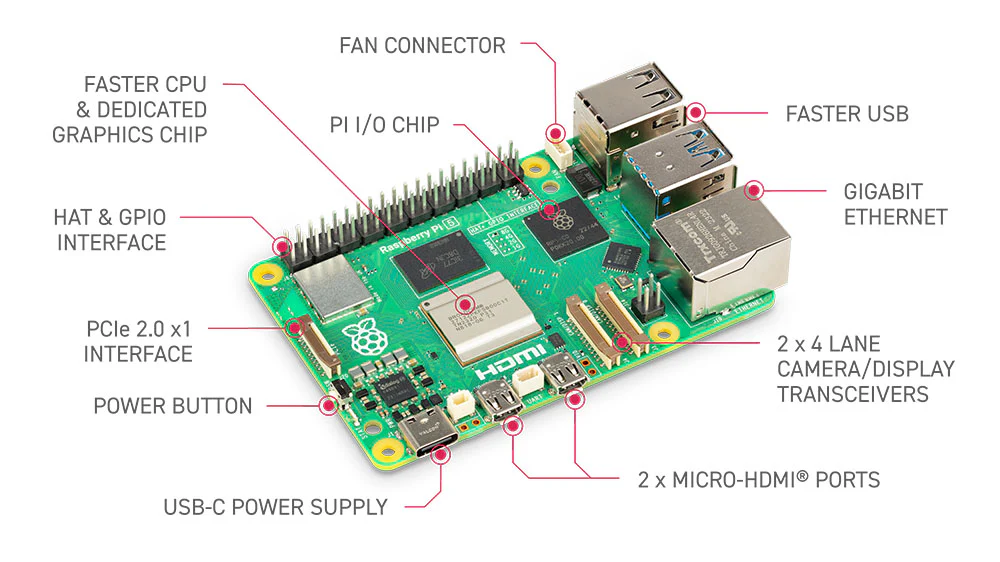
The first Raspberry Pi (released in early 2012) was initially created by the Raspberry Pi Foundation in the UK (founded in 2008) to encourage more students to study computer science at the University of Cambridge. It was originally designed to promote learning, experimentation, and accessible computing - but it’s now widely used in hobbyist projects, home automation, prototyping, and even commercial products.
“Raspberry Pi is attempting a long-term strategy similar to Apple's approach with educational hardware, integrating their products into schools and universities. This way, individuals raised on Raspberry Pi hardware may naturally gravitate towards it as engineers.” – Current CEO of a Raspberry Pi reseller
Raspberry Pi Use Cases
The Raspberry Pi has three main use cases:
Free Sample of 50+ Interviews
Sign up to test our content quality with a free sample of 50+ interviews.
Related Content

© 2026 In Practise. All rights reserved. This material is for informational purposes only and should not be considered as investment advice.