

Perimeter Solutions & GE Vernova
Here is a selection of 25 interviews published last week. Visit our platform for all research published.
Perimeter Solutions & US Wildfire
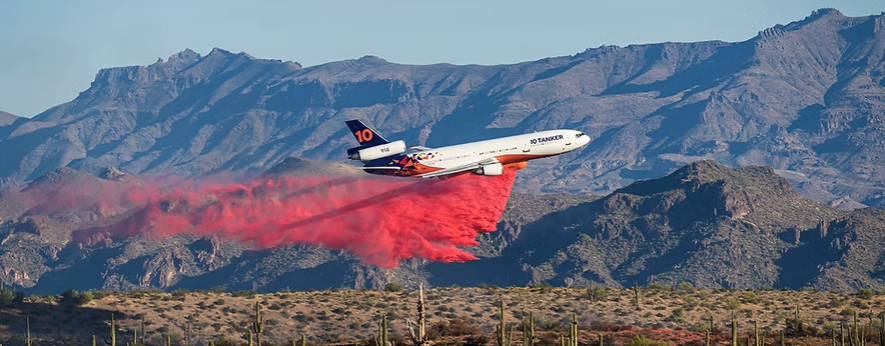
Perimeter Solutions is a fire and specialty products supplier. The company recently signed an exclusive five-year contract to serve the United States Forest Service with wildfire retardant. This is the red stuff dropped from air tankers to put out fires.
Historically, the company reported the annual growth of acres burnt and retardant revenue generated.
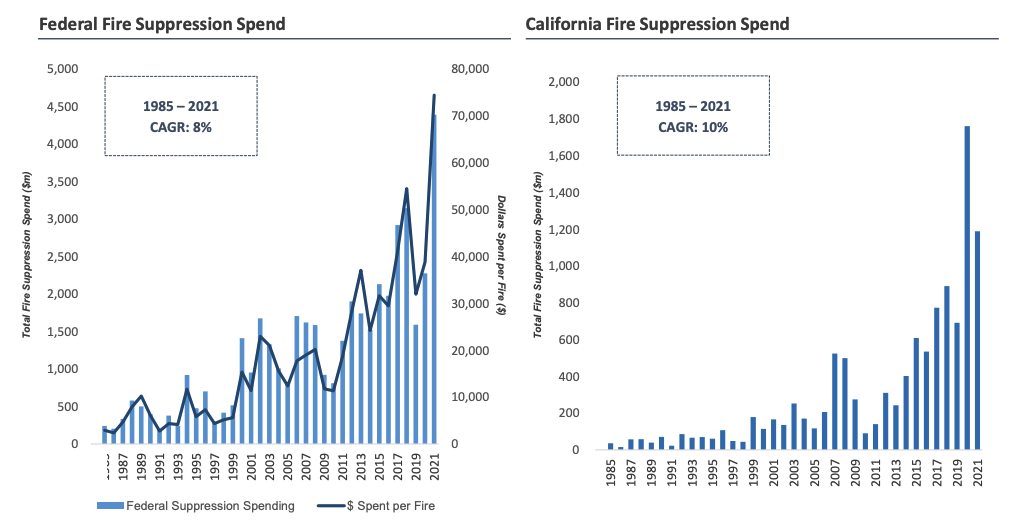
This led investors to model Perimeter by forecasting wildfire acres burnt x retardant spend per acre. But it’s hard to predict the weather. And investors don’t like uncertain variables like acres burnt. This uncertainty, plus the scrutinised management comp plan, led many to overlook the company.
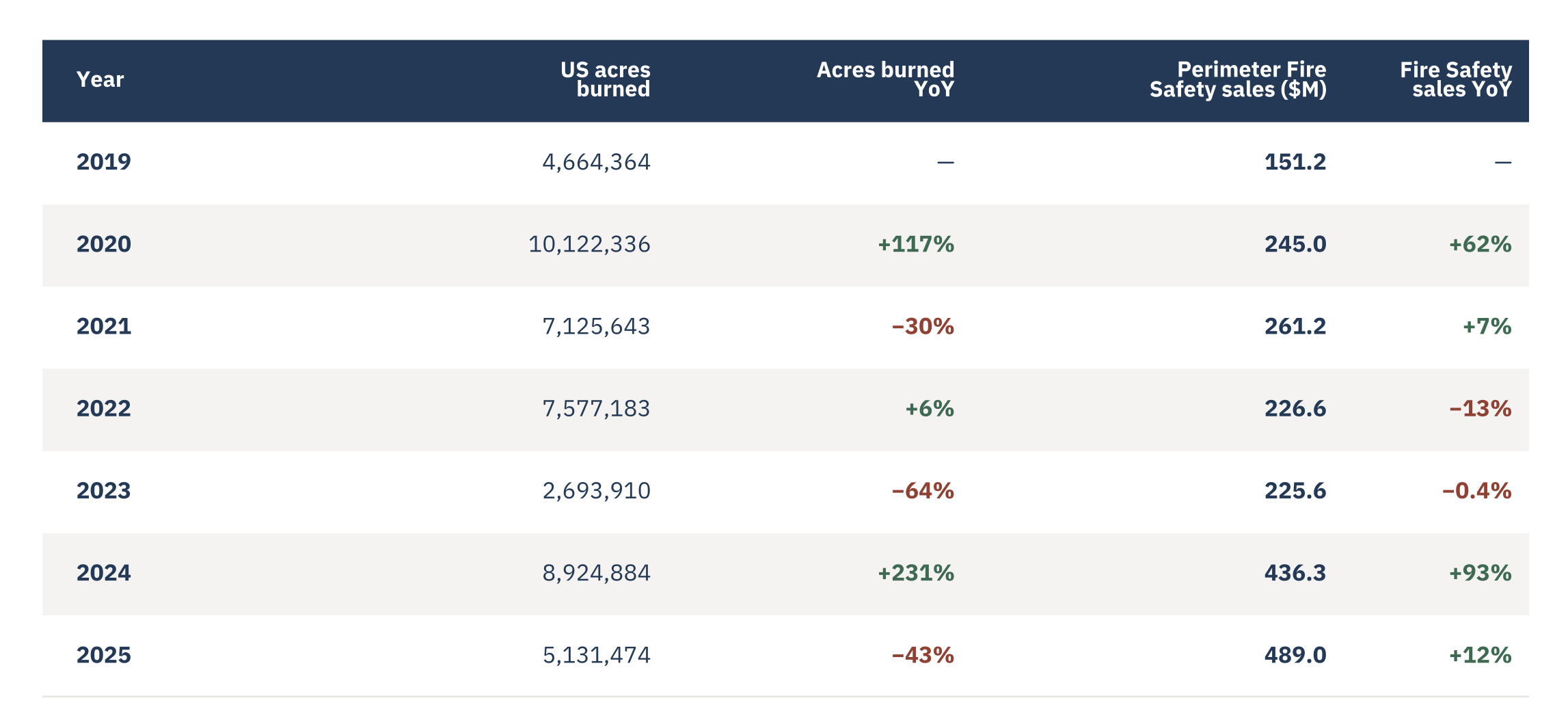
Last week, explored two developments with a former USFS policymaker that may drive more durable revenue for Perimeter going forward:
- A decoupling of revenue and acres burnt
- USFS and USDA reorganisation
Forecasting wildfires is a hopeless task. Not only because there are many independent variables driving wildfires, but because policy also matters. And US wildfire policy is more complicated than it seems. Under the Biden administration, the wildfire agency followed a strategy called ‘prescribed burning’.
The reason it changed this time around had to do with the politics of wildfire use fires and the agencies under Biden. They had almost a carte blanche to light stuff on fire. Big drones full of what we call dragon eggs, permanganate, potassium permanganate, and different chemicals, antifreeze, dropping these balls in the far wide forest and lighting stuff on fire under the theology—I call it because it sure as hell wasn't science—of reintroducing fire to fire-depleted ecosystems. - Former USFS Wildfire Policymarker
Prescribed burning is starting fires to prevent fires. This skewed the normalised underlying acres burnt per year:
They had a 5,000-acre fire in piñon and juniper and they decided that the Aldo Leopold Wilderness and much of the Gila Wilderness had not burned sufficiently in their view in the past 100-plus years. So they decided to burn the whole damn thing by taking the little fire and then expanding it in a huge box that went to 330,000 acres that they lit intentionally. It was massively destructive. By 2020 they had developed what I call a new religion, but they call it a science-based restoration of wildfire to fire-depleted ecosystems. For four years they lit stuff on fire on an epic scale. - Former USFS Wildfire Policymarker
Under Trump, policy has changed. The message is clear: hit the fires hard and early.
Right now, their marching orders are you're going to put the damn fires out…they went from a kind of touchy-feely, depending on what Interior agency you're in, how you feel about fire, you might want to let this one go, you might want to let that one not, to a firefighting initial attack organization on a massive scale. - Former USFS Wildfire Policymarker
Initial attacks are also a large driver of retardant demand which skews acres burnt. More retardant is now dropped earlier and for smaller fires:
The initial attack is the standing up, designating, and then sending fire forces, the fire engines, hand crews, air tankers, etc., into the quickest possible attack of the closest available forces to a fire. In most communities across the West, in fact, in most communities everywhere, rapid initial attack is a key component. The idea is to hit it early, find it early, hit it early, and try to put it out immediately. - Former USFS Wildfire Policymarker
Trump is also trying to consolidate the two fire agencies, USFS and USFA.
Under Brian Fennessy are all the Interior federal firefighters. The fire organizations of all those independent agencies now come under the command and control of one guy. So Interior has its own fire service and they have maybe 13,000 firefighters. Then USDA has a Forest Service, which is its single biggest agency, and they have something like 23,000 firefighters. So you have these two organizations that are engaged in the same thing. The Trump administration is trying to move the Forest Service Fire Organization under the Wildland Fire Agency. - Former USFS Wildfire Policymarker
Acres burnt is still an important variable, just less so than in the past. Consolidating wildfire agencies, increasing initial attacks, and issuing five-year exclusive contracts may underpin more durable revenue for Perimeter going forward.
And, more importantly, Tim Sheehy, the US senator from Montana, joined Congress last year. He is the founder and former CEO of Bridger Aerospace, a wildfire aerial tanker company. More tankers, more retardant required. A quick glimpse at Sheehy’s recent bills underlies the point of a potential structural change in Perimeter's revenue profile.
This can be read alongside our prior work on PRM:
GE Vernova & Gas Turbine Economics
H-class heavy-duty gas turbines are a three-player oligopoly: GE Vernova, Siemens Energy, Mitsubishi. H-class machines are bigger, heavier, grid-connected baseload turbines, optimized for maximum efficiency.
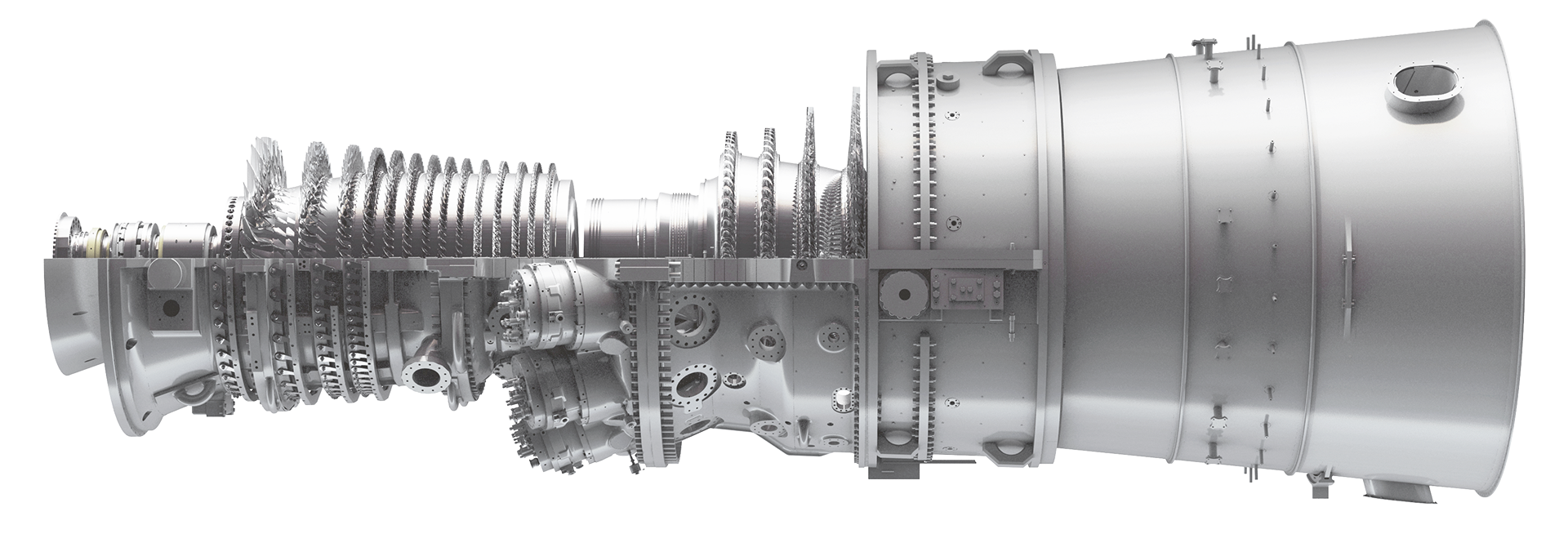
These are more efficient than aeroderivative engines for longer, steady runs. Data centers are increasingly buying combined-cycle H-class units for long-term on-site power, as GE Vernova is reportedly arranging with hyperscalers like Meta/Amazon.
A unit of those can generate 300 megawatts of electricity versus a small unit that could generate 50 to 80... It's complicated technology, it's not commercialized yet, so you have to have GE or the original equipment manufacturer servicing those for you. - Former Global FP&A Leader, GE Vernova
These turbines seem more attractive businesses than transformers due to the service annuities:
The big difference to the power generation business is there is no rotating equipment at all. Nothing is moving - a transformer simply stands there... most competitors don't have a separate transformer service division, because it is simply not relevant.- Former Vice President Finance, Power Transformers at Siemens Energy
AI datacenter demand has increased H-class backlogs to the point the OEMs are now turning orders away. We published two interviews this week: the first with a former GE Vernova FP&A leader and another with a former Siemens Energy transformer finance VP that explored where the pricing power and the margin sits within the value chain.
Just like commercial aero engines, gas turbines are a razor and blade model: sell the unit at breakeven, earn the margin on recurring service and spare part sales. Today, AI data centre demand is driving higher OE margins:
we held to break even or maybe 5% margin. I was told most recently there were some deals sold at 20% and 30%. And remember, always in the energy space, you make more money out of services than you make out of the equipment. You sell equipment to have a strong installed base to lock the customer because he needs you... and then he's forced to come to you for service. And this is where we're looking at the 40%, 50%, 60%. - - Former Global FP&A Leader, GE Vernova
Unlike commercial aero engines that benefit from a stable growth in passenger km travelled, which drive shop visits and spare part sales, turbine sales have historically been highly cyclical. AI has changed this, for now…
I think the data center business is a bubble... I don't think this data center demand will still be there in 10 years. - Former Global Head of Finance, Integrated Powertrain Solutions at Siemens Energy
The interviews go on to explore potential overcapacity issues, pricing, and margin development in turbine and transformers.
This work can be read alongside:
Related Content

© 2026 In Practise. All rights reserved. This material is for informational purposes only and should not be considered as investment advice.